
Maintaining electrical safety is an essential task for anyone running a business these days. Faulty electrical equipment can lead to electric shocks, fires, downtime, and potential legal issues. This is why many organisations arrange regular PAT testing to identify faults with electrical appliances before they become serious hazards. Working with experienced portable appliance testing contractors helps businesses ensure that their equipment is inspected and tested correctly, supporting compliance with your health and safety responsibilities as a business owner. Let’s take a look at what appliances need PAT testing in your workplace and discover whether this is something your business should be investing in.
What Is PAT Testing?
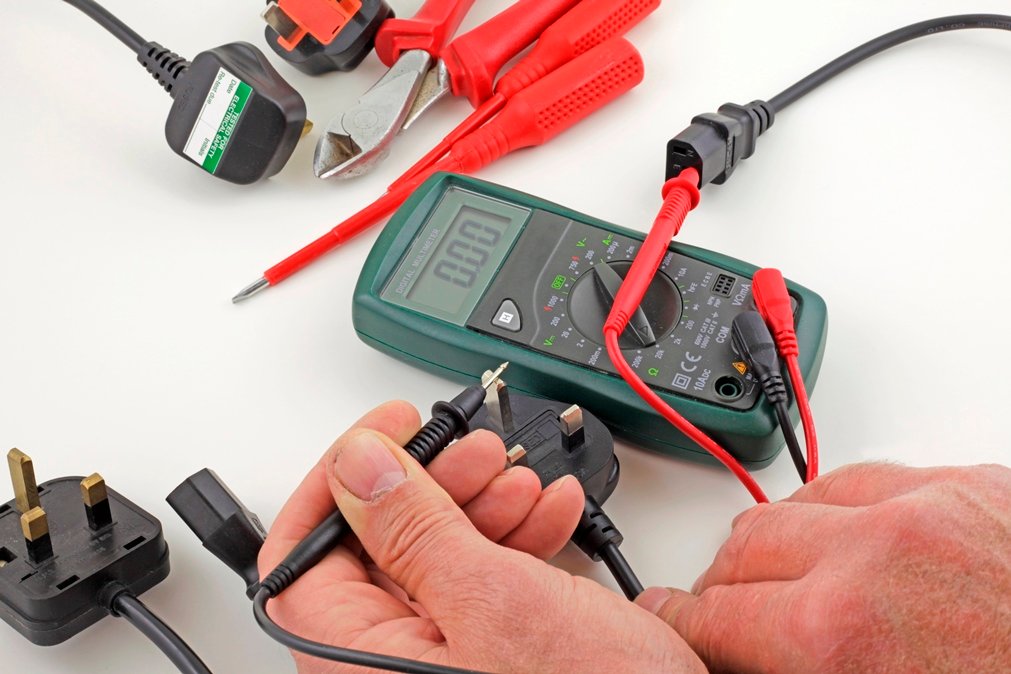
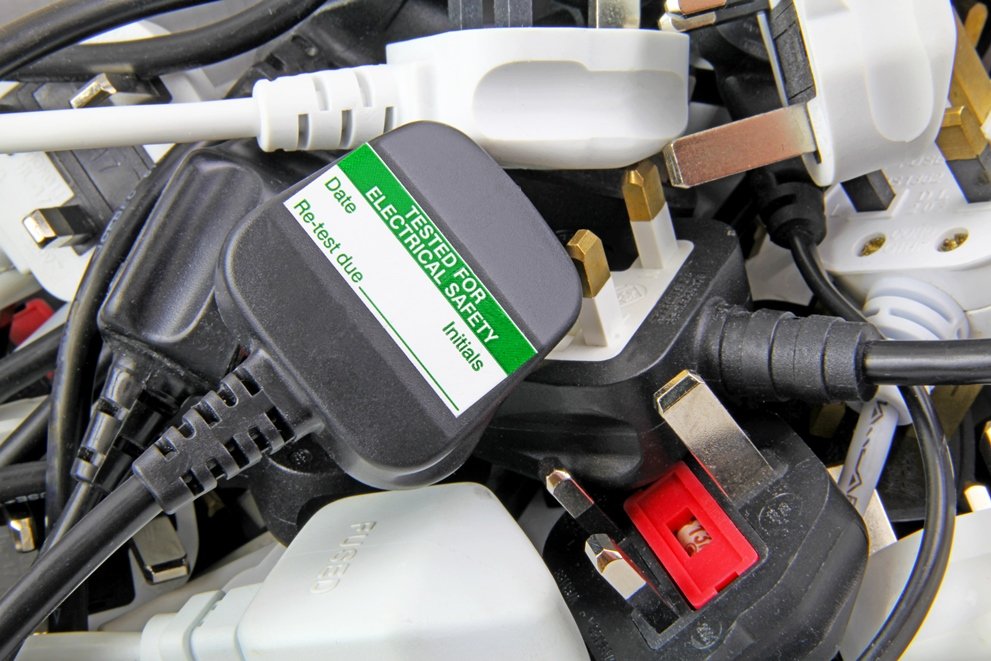
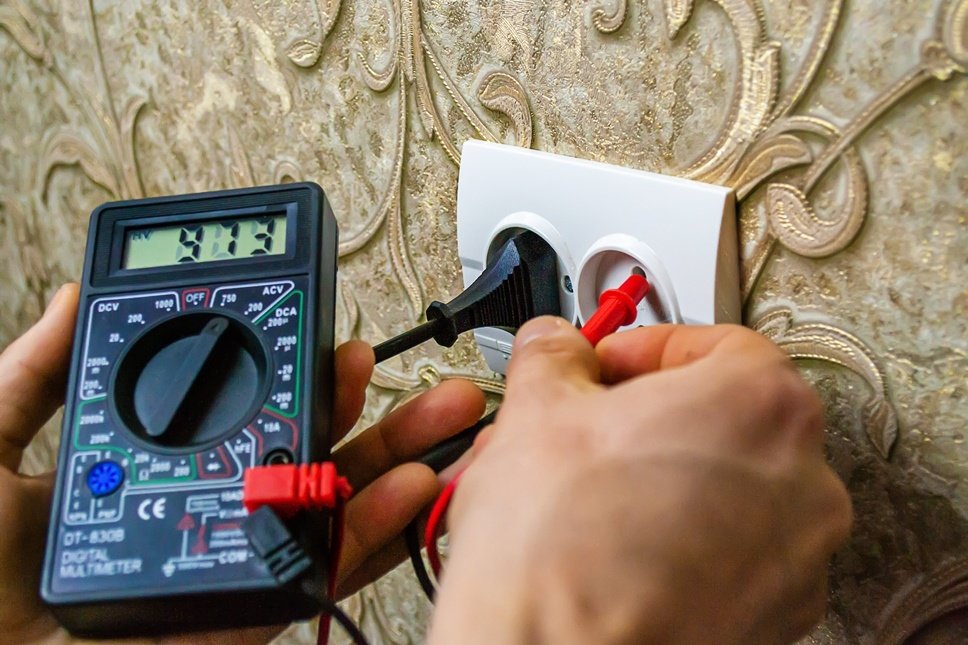
PAT testing, or portable appliance testing, is the inspection and testing of electrical appliances to ensure they are safe for use. It is a combination of a visual inspection with electrical testing to identify damage or faults that may not be immediately obvious to an untrained professional. While there is no legal requirement in the UK stating that every portable appliance must undergo PAT testing, UK employers have a duty under health and safety legislation to keep their electrical equipment in a safe condition. Regular workplace electrical safety testing is an important tool for meeting these obligations and supporting business owners in making their workplace a safe place to work for their employees.
What Needs PAT Testing?
A common misconception about workplace electrical safety testing is that only small portable devices require testing. In reality, the items that need testing in your workplace depend on whether the equipment can be moved while connected to the electrical supply and the environment in which it is used. Examples of commonly used electrical appliances that may require PAT testing include:
- Computers, desktop PCs, and laptops
- Monitors and display screens
- Printers and photocopiers
- Extension leads and power strips
- Kettles
- Microwaves
- Fridges
- Vacuum cleaners
- Electric fans
- TV screens
If an appliance in your business workplace plugs into a standard electrical socket and is moved during normal use or could be moved, it is usually suitable for PAT testing in Cheshire. Keep in mind that this list is by no means extensive, so you’ll want to create your own PAT testing checklist to create a full list of all of the items you need to test and check on a regular basis.
Does My Equipment Need PAT Testing?
Many business owners ask us whether their equipment really needs PAT testing, especially if the items are brand new or used rarely. New equipment generally does not require immediate electrical testing, but it should still have a visual inspection before using it for the first time. As equipment ages or is heavily used, routine inspection becomes more important. If you work in a harsh or dusty environment, this is another key reason to invest in PAT testing. Items that have been previously repaired or show signs of damage also need testing regularly, but portable appliance testing contractors can support you in discussing the frequency of inspections in your workplace.
Understanding PAT Testing Appliance Classes
Knowing the different PAT testing appliance classes helps identify the correct testing method. These are the classes that your appliances will be separated into.
Class I Appliances
Class I appliances rely on both basic insulation and an earth connection for protection.
Examples of these include kettles, microwaves, washing machines, fridges, and toasters. These appliances generally require earth continuity testing as part of the inspection.
Class II Appliances
Class II appliances are double-insulated and do not require an earth connection. Appliances you might have in this class in your workplace include hairdryers, some office equipment, phone chargers, plastic desk lamps, and power tools with double insulation. These appliances require different electrical tests than Class I equipment.
Class III Appliances
Class III appliances operate using a safety extra-low voltage supply and can include LED lighting and electronic devices powered by low-voltage adaptors. While the appliances may have a lower electrical risk, the power supplies and chargers should still be inspected where appropriate.
Choosing Professional PAT Testing Services
Many businesses prefer to use qualified specialists to carry out their PAT testing. Experienced engineers understand the latest testing procedures and provide detailed reports. Professional testing companies can also advise you about suitable inspection frequencies based on the type of equipment you own and your working environment.
Understanding what needs PAT testing helps businesses to protect employees, visitors, and property from avoidable electrical issues. If you are still wondering, does my equipment need PAT testing, the safest approach is to assess each appliance based on how it is used and its condition. By understanding PAT testing appliance classes, following a structured PAT testing checklist, and arranging regular PAT testing, you can maintain safe working environments and demonstrate a commitment to safety. Contact us today for more information about our PAT testing services and how we can support your business with this task.