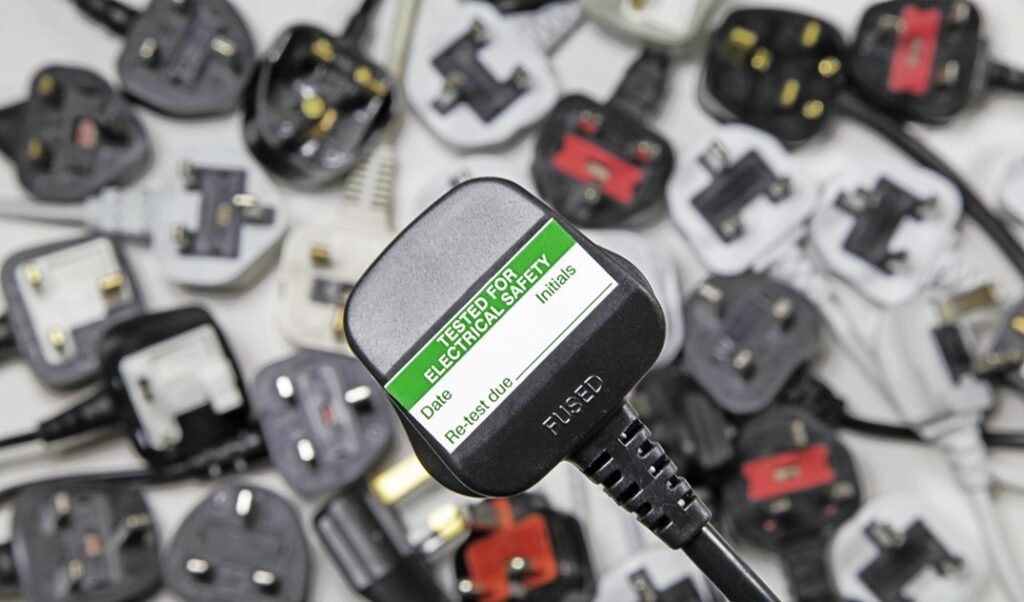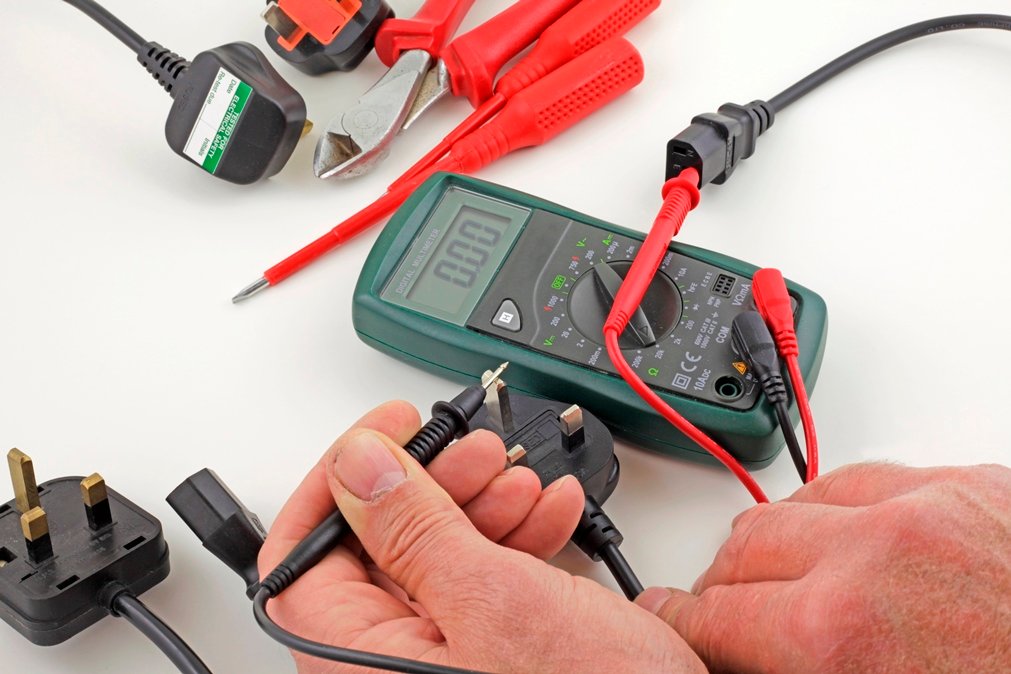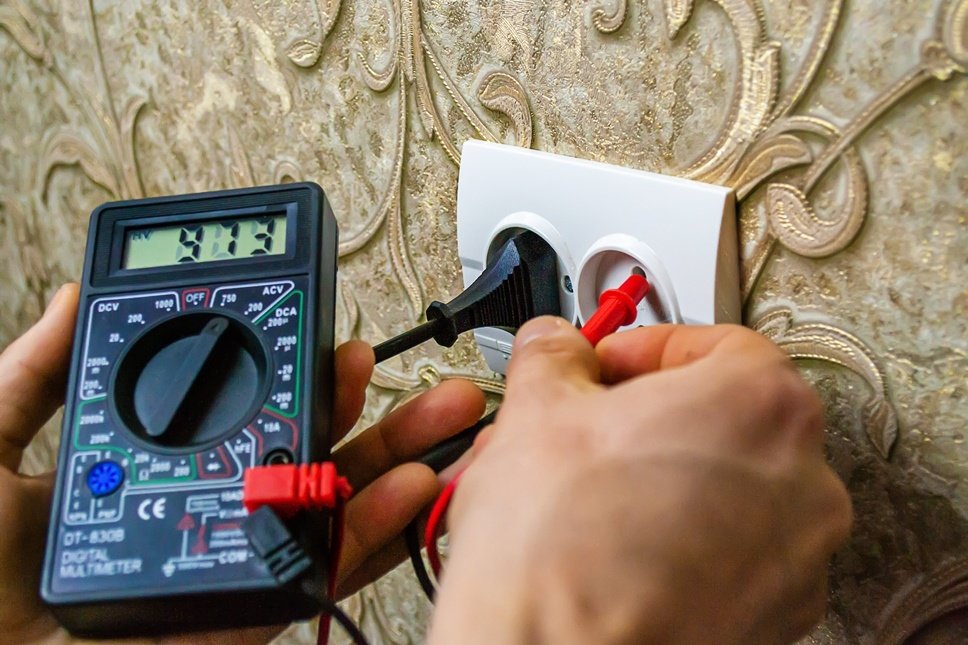

Portable appliance testing, also known as PAT testing, is a safety check on electrical appliances and equipment. It pairs a visual inspection with an electrical test to confirm each item is safe to use. Businesses, employers and landlords use it to show their equipment is safe. PAT testing is not a specific legal requirement, but it is the recognised way to meet your safety duty.
- It covers any portable appliance with a plug that can be moved, from kettles to computers.
- It is inspection plus testing, not testing alone: a check for signs of damage, then the electrical tests.
- It applies to businesses, employers and commercial landlords responsible for electrical equipment.
- It is about electrical safety and proof of compliance, not a fixed legal tick-box.
Commercial sites in Warrington and Cheshire arrange professional PAT testing so they can prove each electrical appliance is safe and keep records for insurers and auditors.
What PAT testing actually is
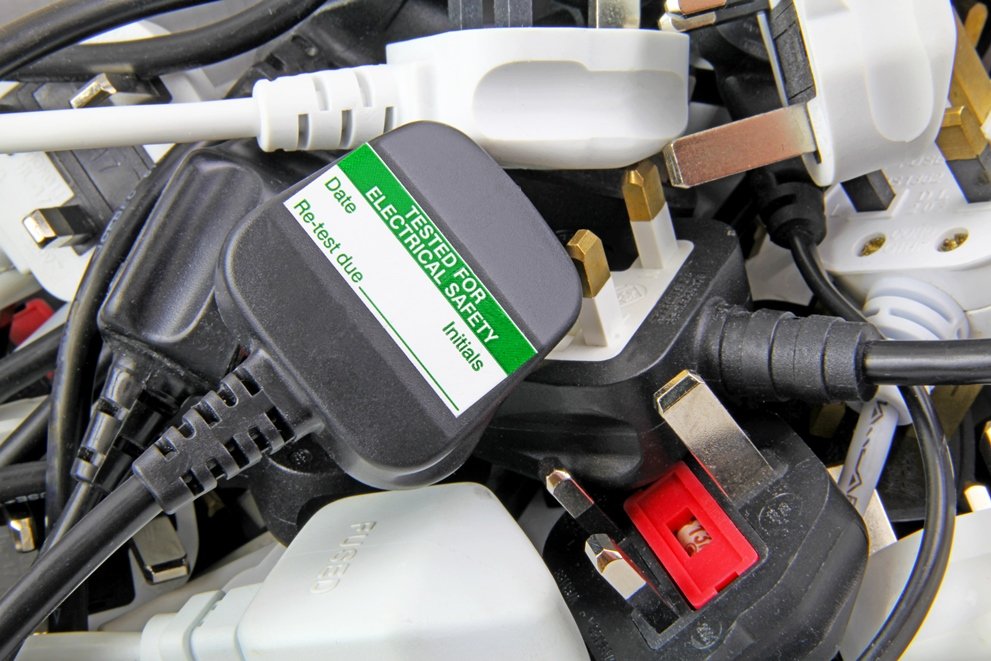
Here is PAT testing explained in plain English. PAT testing is the process of checking that portable appliances and electrical equipment are safe. Portable appliance inspection and testing has two parts. First, a visual inspection of the equipment looks for signs of damage, such as frayed cables, cracked plugs and scorch marks. This finds most faults on its own. Second, the electrical tests catch what the eye cannot see, such as poor earthing or weak insulation.
A competent person carries out the work using a PAT tester. The testing equipment runs an earth continuity test and an insulation resistance test, and it checks correct polarity. This combined inspection and testing gives a clear pass or fail for each item. The IET Code of Practice for In-Service Inspection and Testing of Electrical Equipment sets out how the work is done.
“Portable” is broader than many people expect. PAT covers portable and transportable electrical equipment, meaning any electrical appliance with a plug that can be moved or disconnected.
A kettle counts. So does a desktop computer, a desk lamp, a power tool and an extension lead. Every piece of electrical equipment with a plug is in scope, and items that plug into those, such as chargers and adaptors, are tested too.
Which appliances need PAT testing?
Knowing what needs PAT is the first step. Portable appliances fall into three electrical classes. The type of electrical equipment affects what the test checks, so knowing the class helps:
- Class 1 (earthed): these rely on an earth connection for safety. Examples include kettles, toasters, microwaves and photocopiers. Class 1 items generally need a full electrical test.
- Class 2 (double insulated): these use extra insulation instead of an earth. Examples include televisions, desk lamps and routers. Class 2 items rely more on a careful visual inspection.
- Class 3 (extra-low voltage): these run at low voltage and carry the least risk. Examples include laptops, phones and cameras. The lead or charger is tested.
Most plug-in items require PAT testing. Fixed wiring and the building’s electrical installation are not in scope; those fall under fixed wire testing (an EICR), which has separate rules. Fixed installations are outside PAT scope.
What happens during a PAT test
The test is quick per item and follows a set order. To conduct a PAT test, the engineer inspects, tests the appliance, labels it and records the result. PAT testing can be conducted on a single item or a whole site.
- Visual inspection. The engineer checks the plug, cable, casing and fuse for signs of damage.
- Electrical testing. Using a PAT tester, suitable items get an earth continuity test and an insulation resistance test.
- Labelling. Each appliance gets a pass or fail label with the date, which shows the item is safe to use.
- Recording. Results go on a certificate and an asset register, so you have a record of every item.
If an item failed the PAT test, it is taken out of use as a faulty appliance until it is repaired or replaced. Engineers can carry out PAT tests across several rooms or sites in one visit, and it takes a minute or two to perform a PAT on each appliance. Larger sites are usually grouped room by room so nothing is missed.
Why PAT testing matters for your business
The reason behind PAT is health and safety. Under the Electricity at Work Regulations 1989, electrical equipment is maintained in a safe condition so it does not cause danger. In plain terms, you must keep your equipment safe. The Health and Safety at Work etc. Act 1974 adds a wider duty to protect staff and visitors. So businesses must ensure that their electrical equipment is safe, and the use of PAT is the recognised way to prove it. Providers such as B-Engineering follow the IET Code on commercial sites.
There is a commercial side too. Insurers often expect electrical equipment testing records, and auditors and contracts ask for them. After a fault or a fire, a current PAT record is strong evidence that you took reasonable care. Regular PAT testing keeps those records current and protects your premises. Staff and visitors can use the equipment with confidence, and you have a clear answer if anyone asks how you manage electrical safety.
How often do appliances need testing?
There is no legal interval for PAT testing. The right frequency for portable appliances depends on the type of equipment and its environment. The Health and Safety Executive (HSE) publishes guidance on maintaining portable electric equipment, which helps set sensible intervals, and we recommend testing high-use items more often than low-risk ones. Annual PAT is a myth, not the law, so you do not need to PAT test every item every year. Our frequency guide covers typical intervals by setting.
Portable appliance testing FAQs
These PAT testing FAQs answer the questions commercial buyers ask most.
Is PAT testing a legal requirement?
No. PAT testing is not a specific legal requirement, and there is no legal obligation under UK law to PAT test by name. The HSE PAT FAQ confirms this. Your legal responsibility is to keep electrical equipment safe, and PAT is how most businesses show that.
Which appliances need PAT testing?
Any portable electrical appliances with a plug. Class 1 earthed items generally need testing, while Class 2 items rely more on inspection. A fixed installation is not in scope.
Who can carry out PAT testing?
A competent person with the right training and a PAT tester. For a commercial site, that usually means a qualified engineer or testing company that can inspect, test and document the results.
How much does PAT testing cost?
Cost is usually based on the number of items, charged per item or per visit. The total depends mainly on how many appliances you have and your site. Our pricing guide explains how quotes are built.
Arrange PAT testing for your site
Now you know what PAT testing involves, the next step is a check that fits your premises. B-Engineering provides commercial PAT testing services across Warrington and Cheshire, with clear testing procedures, a certificate and an asset register for every visit. Arrange your PAT testing and keep your electrical equipment safe to use and your records ready.
You might find the next article interesting: Is PAT Testing a Legal Requirement