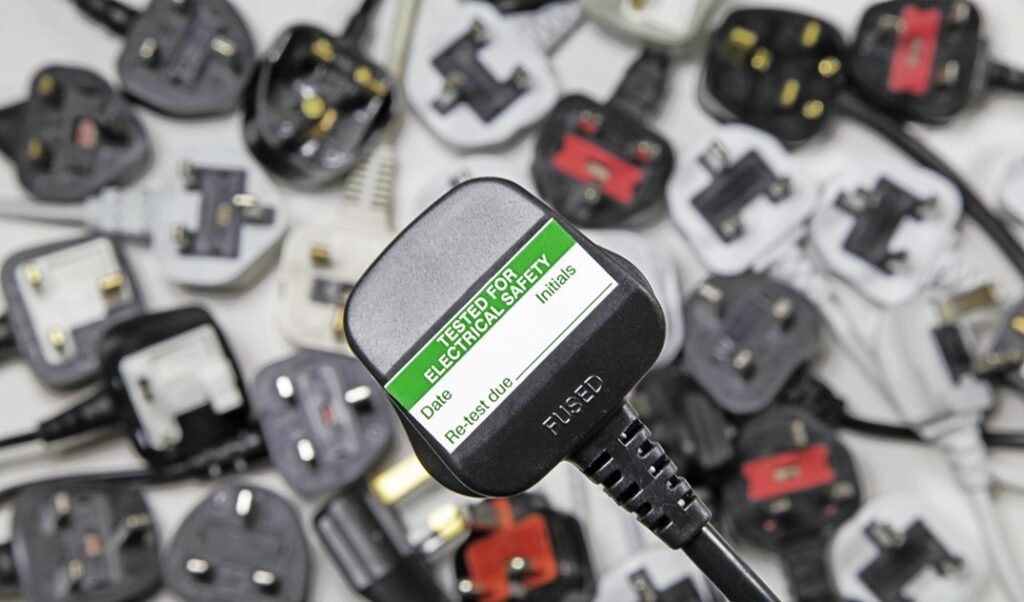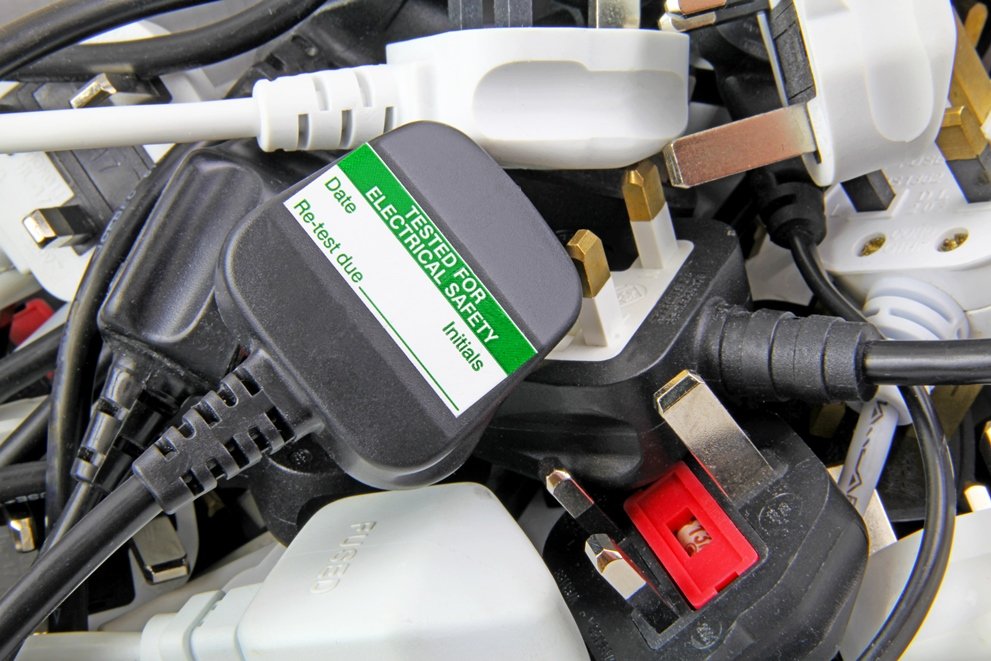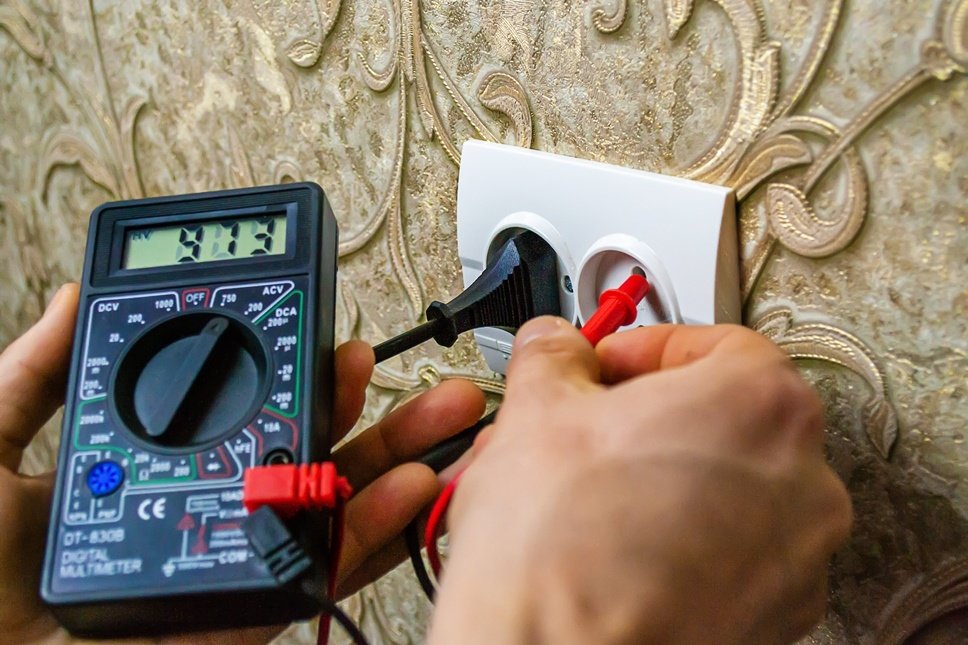

No. PAT testing is not a specific legal requirement in the UK. The law does require employers, business owners and landlords to keep electrical equipment safe, and PAT testing is the recognised way to do that. Annual PAT testing is not the law either.
- The law requires safe equipment, kept so it does not cause danger.
- It does not require PAT specifically, or testing every year.
- The duty sits with the employer, business owner or landlord.
- Most businesses still carry out PAT testing because it is the accepted way to prove safety.
That gap between myth and law is why many businesses arrange commercial PAT testing services to evidence the safety duty, even though no rule names PAT by itself.
What the law actually says
No single law names PAT, also known as portable appliance testing. Instead, several UK regulations apply to electrical equipment used in the workplace. Together, they create one clear duty: keep that equipment safe. The main pieces of legislation are:
- The Health and Safety at Work Act 1974. This safety at work act places a general duty on every employer to ensure the safety of employees and customers, so far as is reasonably practicable.
- The Electricity at Work Regulations 1989. These require electrical systems to be maintained in a safe condition, as far as is necessary to prevent danger.
- The Provision and Use of Work Equipment Regulations 1992 (PUWER), updated in 1998. These require equipment provided for use at work to be suitable and kept in good order.
- The Management of Health and Safety at Work Regulations 1999. These require employers to carry out risk assessments, which should cover any appliances in use.
These are general duties, not PAT-specific ones. Several regulations create the duty to keep work equipment safe, and that equipment must be maintained so it stays in a safe condition. But none of these rules and regulations names PAT testing, says who must do it, or sets how often.
In other words, the “test everything every year” idea is a myth, not UK law. The HSE PAT FAQ says this plainly, and the Electricity at Work Regulations 1989 set the duty without ever mentioning PAT. The duty to maintain electrical equipment in a safe condition sits with the duty holder, and any electrical equipment that could cause injury must be kept safe.
So do you actually need PAT testing?
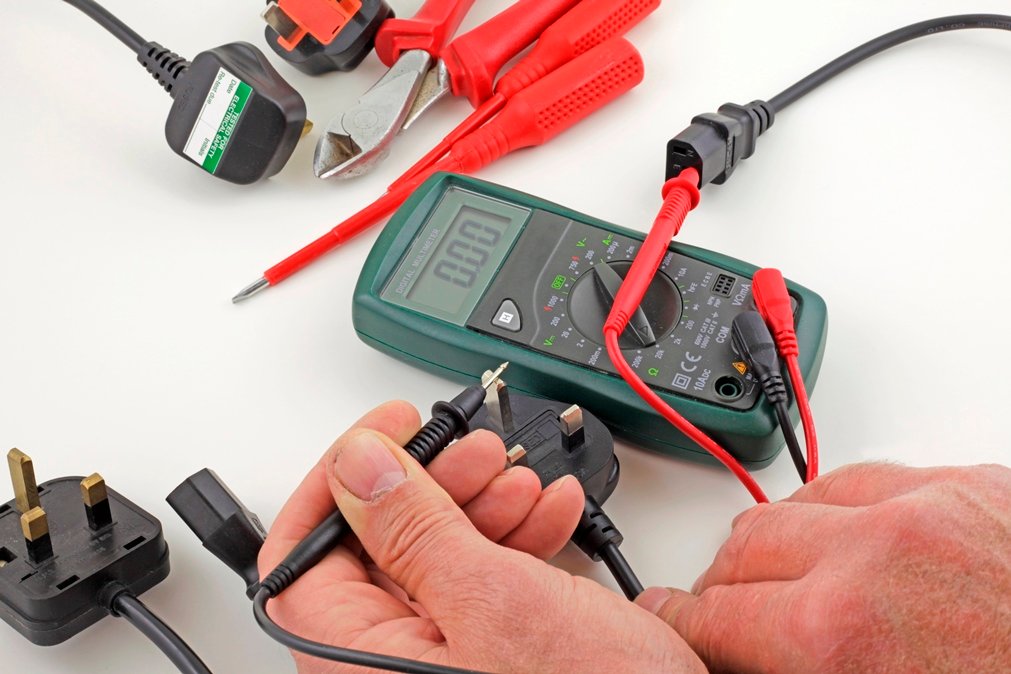
Not mandated is not the same as not expected. PAT testing is the recognised, good-practice way to evidence the safety duty. In practice, PAT combines a visual inspection with electrical testing. The IET Code of Practice for In-Service Inspection and Testing of Electrical Equipment sets out how the work should be done. It is good practice, not law, but auditors and insurers treat it as the standard.
Insurers, auditors and many contracts expect PAT records, and many tenancy agreements list them too. PAT is one of the routine safety checks they look for, alongside fire and other workplace checks.
The reason is simple. If a faulty appliance injures a member of staff or a customer, the first question is whether you took reasonable care. Without records, that is hard to prove. A current PAT record answers the question with a date and a result, so it turns an assumption into clear evidence and helps you stay compliant. It also reassures staff and visitors that the equipment they use every day has been checked. A professional PAT testing provider can carry out the inspection, then agree a testing schedule based on your risk rather than a blanket yearly date.
PAT testing for landlords and HMOs
If you let property, you carry the same duty: appliances you provide for a rental property must be safe. This covers anything you supply, from white goods to kitchen items and any other electrical appliances. You are responsible for keeping them safe for use, and the appliances are safe only when someone checks them. PAT is the simplest way to show that.
Houses in multiple occupation (HMOs) raise the exposure. More tenants, more shared appliances and stricter management standards mean more risk if something fails. Many landlords regularly arrange PAT to show due diligence for each item they provide.
One accuracy point matters. PAT covers portable appliances. It is separate from fixed wire testing and the EICR, which check the building’s electrical installation and follow their own rules. For a rental property or an HMO, fixed wire testing carries its own specific legal duties; PAT is evidence of care for the appliances, not a standalone mandate.
Who is responsible for PAT testing?
The duty holder is the person in control of the equipment or premises. In a workplace that is the employer or business owner. In a let property it is the landlord, or a managing agent acting on their behalf. That person decides what is checked, arranges the work and keeps the records. An agent can carry out the work, but the legal duty stays with the duty holder, and it cannot be passed to tenants or staff. Put simply, if you control the premises, the duty is yours.
The work should be done by a competent person with knowledge of electricity and the right test equipment. On a commercial site, the duty holder usually appoints a qualified provider to handle the work and keep the asset register up to date, so the records are ready for any audit. There is no mandatory PAT testing course, but proper training helps a tester judge results, maintain electrical safety and spot faults a quick look would miss.
Common questions
Is PAT testing a legal requirement for businesses?
No. No piece of legislation names PAT testing for businesses. The law requires you to keep equipment safe, and PAT is the recognised way to show that.
Is PAT testing a legal requirement for landlords?
No specific PAT law applies to the appliances you provide, but you must make sure they are safe. PAT gives you that evidence. Note that the EICR carries separate legal duties for rental property and HMOs.
Is annual PAT testing the law?
No. Annual PAT testing is not required by law. How often you test should be based on a risk assessment of the equipment and its environment, not a fixed yearly rule.
What are the legal requirements for PAT testing?
There are no rules that require PAT itself. The legal requirements are to keep electrical equipment in a safe condition and to assess electrical risks through a risk assessment. Regular PAT testing is how most businesses meet those duties and keep clear records.
Do I legally need a PAT certificate?
No, a certificate is not a legal requirement, but it is useful evidence for insurance, audits and contracts.
Meet your safety duty with B-Engineering
Whether or not PAT testing is a legal requirement, keeping your equipment safe is your responsibility, and clear records make it easy to prove. B-Engineering provides PAT testing for businesses across Warrington and Cheshire, with full documentation and a testing schedule based on your risk. Book your PAT testing and meet your safety standards with confidence.
You may find the following article interesting to read: What Appliances Need PAT Testing in Your Workplace?