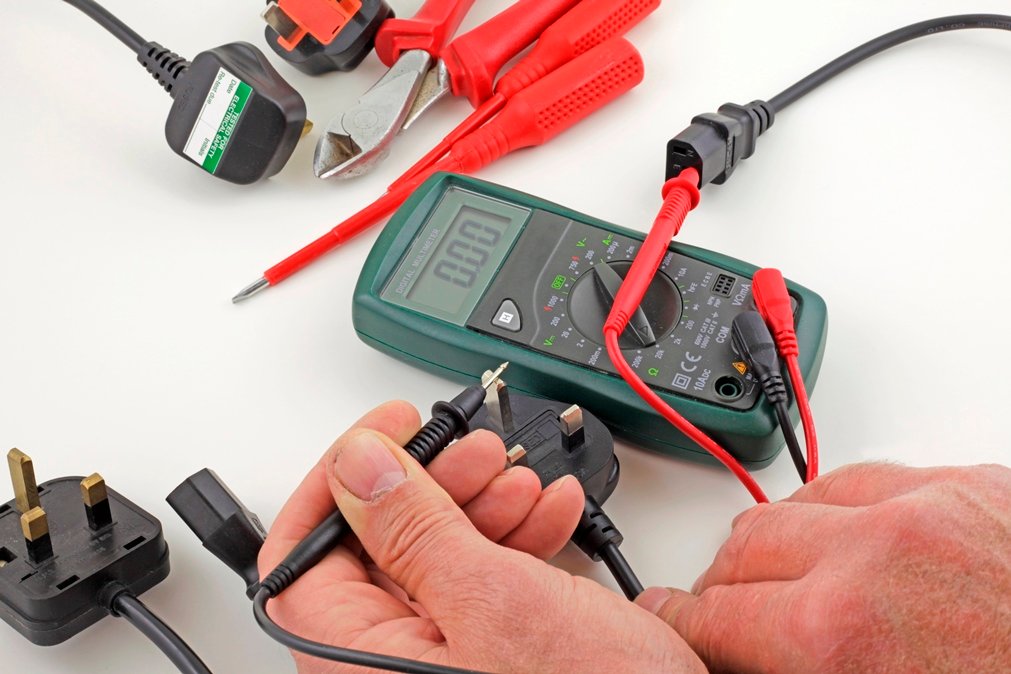

Preparing your business for a PAT testing visit is an essential part of maintaining a safe and compliant workplace. No matter what type of business you own or operate, ensuring your electrical equipment is ready for inspection at any time can reduce stress, avoid disruption, and help you meet your legal responsibilities. Creating a PAT test checklist is a great way to help you remain on top of this task at all times and remain in compliance. Let’s take a look at the key ways to prepare your business for PAT testing to save you time and avoid last-minute preparation before a test.
What is PAT Testing?
Before you can start to think about how to prepare for PAT testing, it’s important to be fully aware of what PAT testing in Liverpool is and what exactly is tested during this visit. Portable Appliance Testing involves the inspection and testing of electrical equipment to ensure it is safe to use. The test ensures that your appliances meet safety standards, which can reduce the risk of electrical faults, fires, and workplace accidents. While this type of testing is not legally mandatory for many businesses, it is a key tool to help you comply with UK safety laws related to equipment.
Creating a PAT Test Checklist
A good starting point to prepare for PAT testing in the workplace is to create a comprehensive PAT testing checklist. Your PAT list should include every portable electrical appliance within your building, such as computers, printers, kettles, and extension leads. Having a list prepared helps the commercial PAT testing engineer identify what needs to be tested and ensures nothing is overlooked during the visit. If your business operates across multiple buildings or floors, organising your PAT testing checklist by location can help to streamline the process further.
Make All Equipment Accessible
Before your PAT testing in Warrington, it’s important to make all equipment accessible to the engineer. Items that are stored away in cupboards can slow down testing and waste time for both you and the engineer. Encourage your staff to leave appliances plugged in but switched off if not in use, and ensure desks, storage areas, and communal spaces are tidy before Portable Appliance Testing in Warrington.
Labelling is another important step when you prepare for PAT testing in Manchester, so that the test can quickly log each item during their visit. If your business already uses asset tags or identification labels, check that they are up to date and clearly visible. If you don’t have a system in place, consider creating a simple one as part of your PAT test checklist to make future inspections more manageable.
Identify Faulty or Damaged Equipment
Another key area of preparation is identifying faulty or damaged equipment ahead of time. Conducting a simple visual inspection can highlight obvious issues such as frayed cables or cracked plugs. Removing these items before the PAT testing visit can save time. It also demonstrates a proactive approach to safety within your workplace.
Preparing Your Team
Let employees know in advance about the PAT testing visit, including when it will take place and what is expected of them. This reduces confusion and ensures cooperation on the day. Staff should be aware of which personal items are included in the PAT testing checklist as well.
What to Expect During PAT Testing
When preparing for PAT testing, it’s important to understand the process and what will happen on the day of the visit. If possible, schedule testing during quieter periods or outside of peak business hours. This reduces interruptions for your team and allows the engineer to work more efficiently.
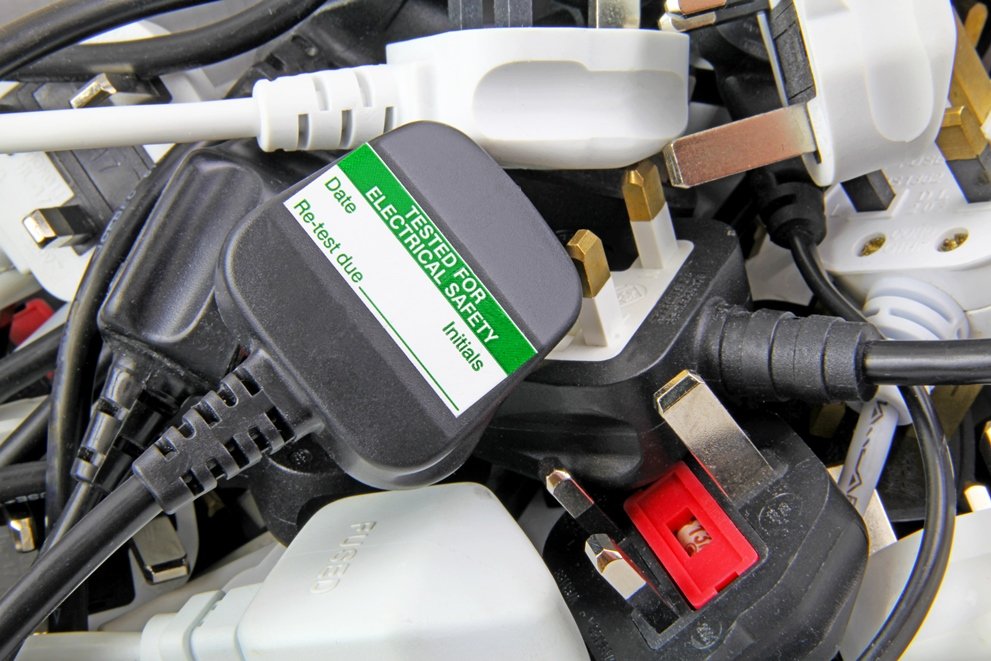
Make sure you have access to previous PAT testing records ahead of their visit to speed up the process. These can provide context for the engineer and help track the history of your equipment. Typically, a qualified engineer will carry out both visual inspections and electrical tests using specialised equipment. Each item is checked for safety, and the results are recorded. Appliances that pass will receive a label, while those that fail may be removed from use or need repairing before you can use them again.
After the PAT testing visit, review the results carefully. Address any failed items, whether that means repairing or replacing them. Update your PAT list and keep your records organised for future tests.
Preparing for a PAT testing visit involves organisation and attention to detail. By creating a PAT test checklist for your workplace, you will ensure equipment is accessible and know what to expect during the visit. This will help to make the process smooth and efficient for everyone involved during your next PAT test. Are you looking for support with PAT testing? Contact us today for more information or to book a visit.