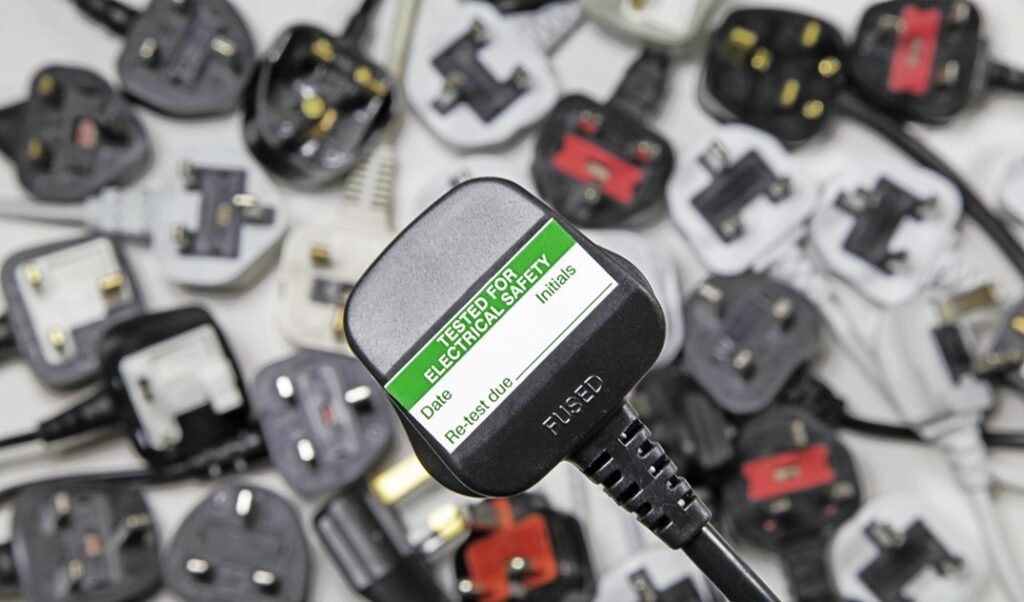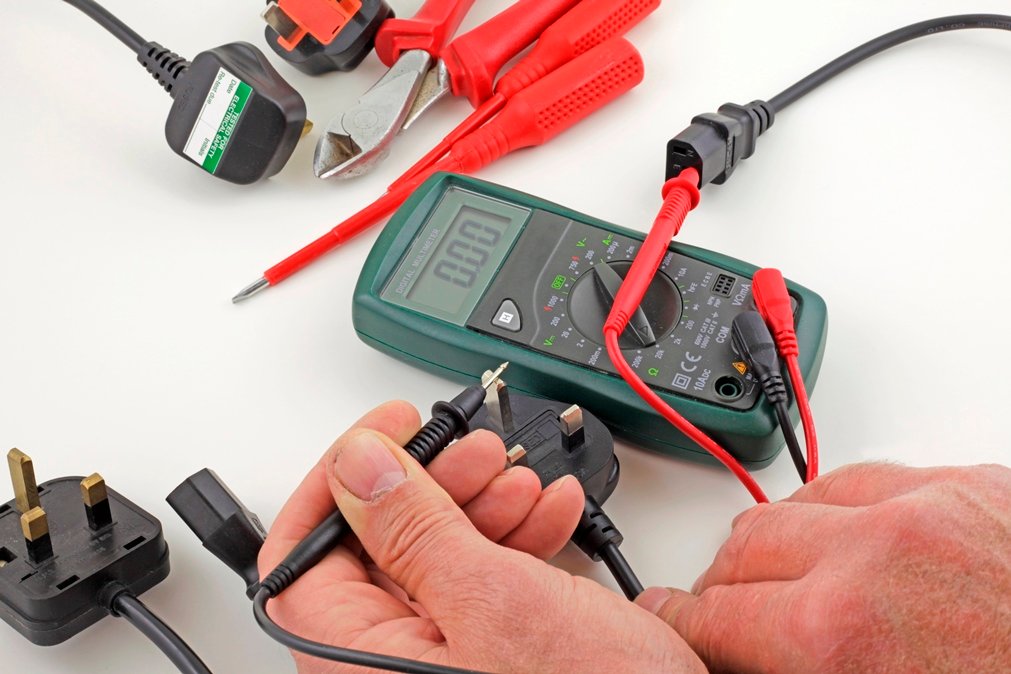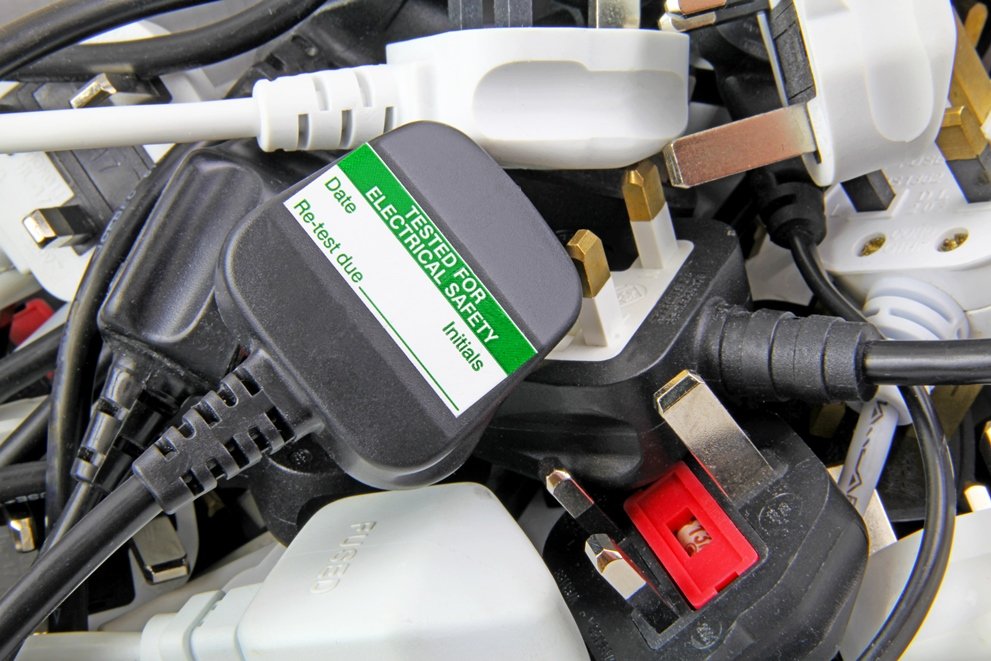

Portable appliance testing, also known as PAT testing, is a method used to test all portable electrical equipment to ensure it is safe to use and complies with all legal regulations.
For businesses, having a PAT test certificate can help to remove those unwanted risks, keep you, your employees, and your visitors safe, and improve your business reputation, showing your commitment to safety and compliance.
PAT testing supports electrical safety management, and for all, there is no set legal time for testing frequency; there are recommendations.
If you’re looking for PAT testers locally, let B Engineering help you. A qualified, experienced, and reliable team on hand to keep your appliances and business safe.
PAT testing for businesses
The Electricity at Work Regulations require all portable electrical equipment used in business (and within a landlord’s remit) to be maintained in a safe condition. PAT testing is one standard that helps to meet these compliance requirements.
Workplace electrical safety is critical, and it is every business’s responsibility to ensure that all electrical equipment is up to code and operating safely.
Businesses must identify what is important in the workplace and take into careful consideration the installation method of each electrical appliance.
It is also a requirement that you maintain and keep detailed records and logbooks to show your compliance with the 1989 Electricity at Work Regulations.
Portable appliance testing UK is the easiest way to protect your staff, customers, and property from electrical hazards.
However, we’re aware that when it comes to testing, there is no one-size-fits-all, and the frequency of electrical equipment testing should be based on the business’s risk assessments.
As part of workplace electrical safety, the Health and Safety Executive recommends testing as “often as necessary,” with testing tailored to business circumstances.
Regular PAT testing helps to identify issues such as:
- Frayed cables
- Damaged plugs
- Appliance overheating
- And more.
PAT test frequency
There is no definitive or prescriptive frequency for when PAT testing should be carried out.
The frequency is often determined by business type and the industry you’re operating in. For example, some equipment may need sporadic testing, whereas other appliances may need testing more often and on a regular basis.
It is recommended that businesses take a risk-based approach to determine testing frequency, taking on responsibility for maintenance and regular scheduled checks matched with risk assessments and reporting.
When we examine portable appliance testing in the UK in more detail, we see that equipment can be classified as Class 1 or Class 2.
Both of these class systems run from mains voltage, and both have PAT testing requirements. Two levels of protection are recorded, and all appliances in both classes are checked to ensure they meet safety standards.
Items that fall into Class 1 include: refrigerators, toasters, microwaves, etc. Portable appliance testing services in this area will include checking that the appliance in question has basic insulation and that earth provisions are in place.
Class 2 appliances generally consist of technical equipment such as computers, photocopiers, TV’s, etc., and checks will confirm that these appliances have double insulation.
As a guideline, the frequency of these class appliances:
- Class 1 – testing should take place every 12 months.
- Portable equipment – annual testing
- Construction equipment – every 3 months (due to the serious nature of the sector and work involved)
- Industrial – every 6 months (based on equipment type and usage)
- Stationery/IT equipment – annual testing
- Schools/care homes/hospitals – testing on portable electrical equipment should be carried out annually.
- Landlords should have PAT tests carried out annually on all portable electrical equipment.
PAT testing
Our recommendation is to create a rolling test plan based on your risk assessments, environment, type, and usage of certain equipment. Ensuring that every appliance is tested at appropriate intervals, which doesn’t disrupt operations.
Note: It is possible to have various testing frequencies in different areas of the business.
PAT testing involves carrying out an external visual inspection and a detailed examination of the internal aspects of the plug in order to check wiring, connections, and the fuse.
All information should then be recorded, including any faults identified and repaired.
Guidance from the Health and Safety Executive should always be followed, and understanding what class your portable electrical equipment falls into will help to determine the frequency of testing.
Portable appliance safety services
At B-Engineering, we take your and your employees’ safety extremely seriously. We understand that you have a duty and a responsibility to meet compliance regulations and legal safety requirements, and we know that when using portable electrical equipment, you want to have peace of mind that it is safe for use and will not cause harm.
That’s why we work hard to ensure best practice. Carrying out regular maintenance checks and PAT testing on appliances to safeguard people and ensure fire safety.
Book your PAT test with the PAT test experts today.