
You can probably feel the cool, climate-controlled air when you go into any business facility. It’s a subtle luxury that not many people realise. However, HVAC systems are one of the biggest energy users in commercial buildings, contributing significantly to both carbon emissions and operating expenses (Al-Waked et al., 2017).
Conventional air conditioning systems have used high-energy cooling techniques for many years, which often resulted in excessive electricity consumption. Researchers, however, have explored energy-efficient HVAC techniques that reduce their environmental impact while maintaining indoor comfort.
A study on HVAC energy performance found that chilled ceiling and chilled beam systems, which use radiant cooling rather than forced air, significantly lower energy consumption compared to conventional air conditioning units (Al-Waked et al., 2017). These systems operate by absorbing heat through water-cooled panels, reducing the need for high-powered compressors.
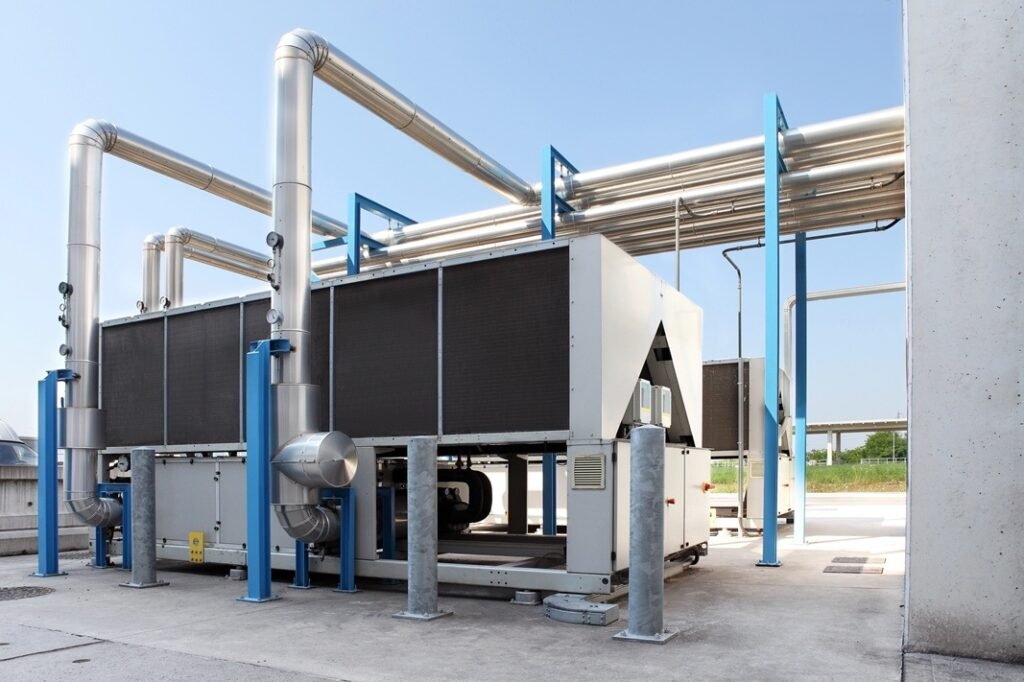
Centrifugal water chillers, which offer excellent efficiency, have also been a revolutionary development in commercial cooling. According to Al-Waked et al. (2017), water-cooled chillers optimise heat exchange, which lowers power consumption and CO₂ emissions in contrast to conventional air-cooled systems.
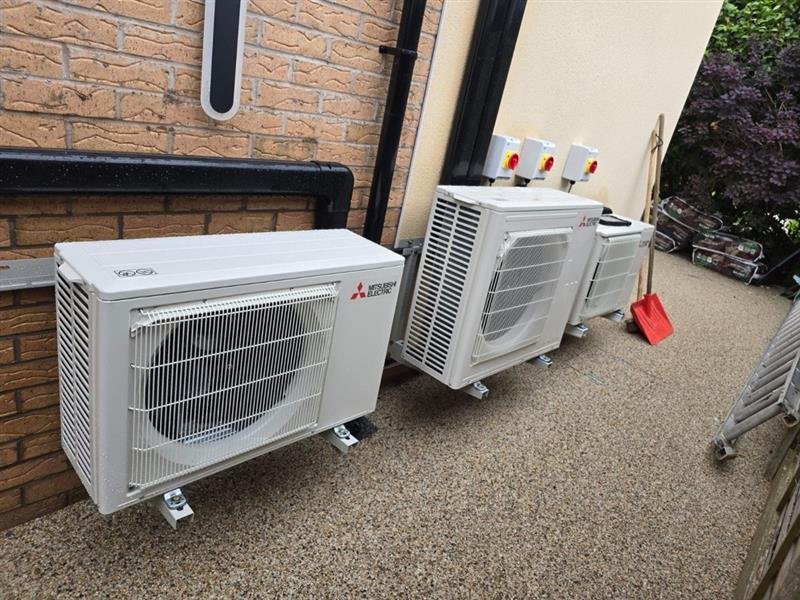
Smart HVAC controls are becoming more and more common in contemporary commercial buildings. These controls integrate automated energy management systems that modify cooling according to occupancy and weather conditions. According to research, energy consumption can be reduced by up to 30% through the use of adaptive cooling techniques and real-time monitoring (Al-Waked et al., 2017).
- As businesses strive for higher energy ratings and lower carbon footprints, the shift toward efficient HVAC solutions is inevitable. By investing in chilled beam technology, smart cooling systems, and optimised chiller designs, commercial buildings can reduce operational costs while contributing to global sustainability efforts
Get in contact today to see how much you could save with the latest HVAC system!
Will Mcclymont
will.mcclymont@b-enggroup.co.uk
References:
Al-Waked, R., Nasif, M. S., Groenhout, N., & Partridge, L. (2017). ‘Energy Performance and CO₂ Emissions of HVAC Systems in Commercial Buildings’. Buildings, 7(4), pp. 84.